Of late, in the imperialist capitalist countries which have been relentlessly abandoning democratic codes and norms, freedom of expression is increasingly under threat and in many cases on the way to be virtually abolished. In tandem, the axe is falling on the news media as well, which in the days of advent of capitalism and bourgeois democracy as its political superstructure, was considered to be ‘fourth estate’. Because the press was viewed as an independent watchdog over the three traditional wings of the state— legislative, executive, and judiciary— thus serving as a crucial pillar for a functioning democracy. It used to keep power accountable, influenced and vented public opinion, ensured transparency and criticized any government policy perceived to be in detriment of people’s interest. Now, in the 21st century, fourth estate came to be referred to all branches of the news media—press, electronic and social media.
Erosion of Freedom of Expression
But with passage of time, as capitalism as a system started its journey towards obsolescence, erosion of bourgeois democracy also commenced simultaneously. Once capitalism reached its highest stage, i.e. imperialism, it turned utterly reactionary and lost whatever democratic content it hitherto possessed. From then onwards, erosion and corrosion of bourgeois democracy began to manifest with all viciousness and gradually being transformed into fascist autocracy. As a result, freedom of expression is axed. The mainstream media, which are owned by the giant monopoly houses and multi-nationals have become more opinionated, partisan, politically engaged towards the servitors of the ruling class and tightly regulated.
New Form of Censorship
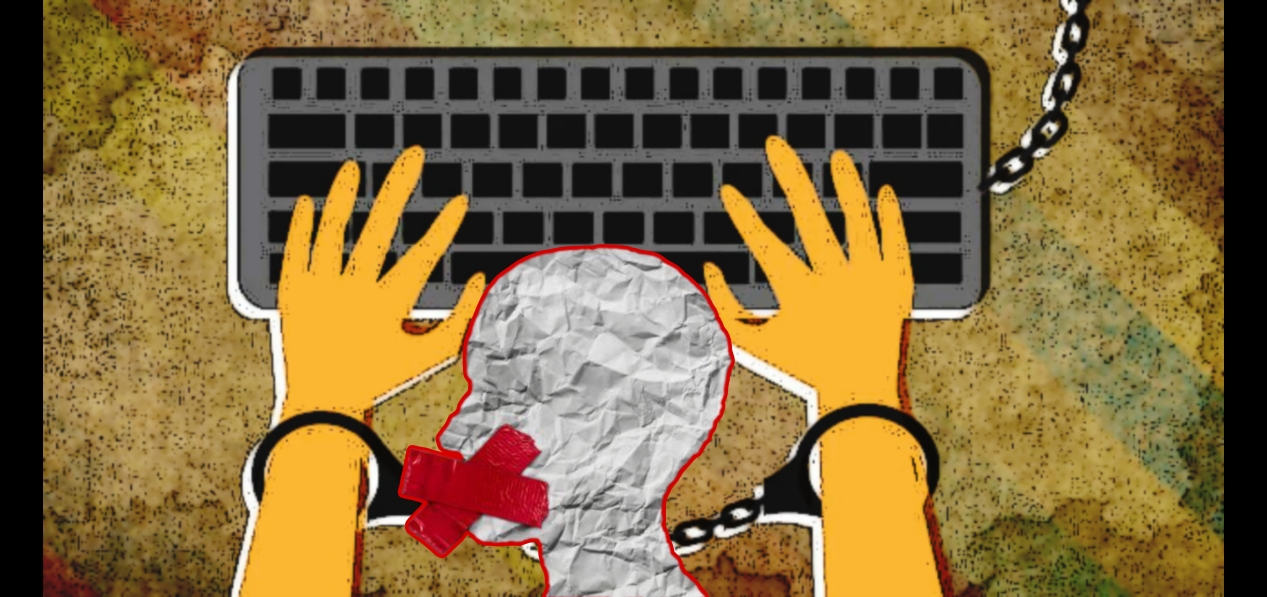
Hence, censorship has stopped arriving in jackboots but acts through legal notifications, compliance frameworks, and bureaucratic fiats. In India, which has become an imperialist power of reckoning, the days of ‘independent or neutral journalism’ have gone. Speak anything against the ruling dispensation or even mildly criticize any government move, you will be charged of sedition and sent to jail. According to the 2025 World Press Freedom Index released by Reporters Without Borders (RSF), India ranks 151st out of 180 countries. The report classified the situation in India as “very serious,” highlighting risks from political pressure, media ownership concentration, and dangers to the journalists. Now, the press freedom or for that matter freedom of expression is curtailed in other forms as well. The latest amendments to the country’s Information Technology regime, alongside the expanding reach of the Digital Personal Data Protection framework, is a shrewd move to muffle any voice of criticism, let alone dissent. The government claims that the new IT amendments have been necessary to prevent deepfakes, misinformation, AI-generated fraud, and online harms. Such dangers are no doubt real. Synthetic media can deceive people with doctored material, influence voters, spread rumours, foment as well as exacerbate casteist communal-chauvinist tensions and bloodbath. But to put a rein on such barrage of misinformation and motivated propaganda, what is needed is a strict administrative control and a punitive machinery free from external influence including governmental interventions. The reportedly new rules compress takedown timelines dramatically—requiring platforms to remove certain content within hours of receiving official notice. They also expand the obligation of intermediaries to comply with written advisories, clarifications, and operating procedures issued by the executive branch. This is the central danger: when executive agencies become complainant, investigator, prosecutor, and censor all at once, constitutional liberty becomes an administrative inconvenience.
Protest by Editors’ Guild
So, the Editors’ Guild of India, the leading journalists’ association of the country, has vehemently protested the enactment and held that the proposed changes grant “sweeping powers” to ministries to regulate, block, or suppress content without adequate judicial safeguards. The logic is simple. If platforms face liability or loss of legal protection for non-compliance, they will not defend speech—they will over-remove it. Satire, investigative reporting, whistleblower leaks, political parody, and inconvenient facts become collateral damage. The Guild’s warning is blunt: these measures threaten freedom of the press, enlarge executive power, and create a pervasive chilling effect on dissent. It needs to be understood that this is not a dispute over technical regulation. It is a struggle over who controls truth in the digital age: citizens and a free press, or the state and its administrative machinery. Once such a legislation is in vogue, journalists need not be jailed if they can be intimidated. Publishers need not be banned if they can be burdened. Platforms need not be taken over if they can be coerced into obedience. A reporter investigating corporate fraud involving politically connected actors may hesitate to publish leaked documents. A satirist mocking state propaganda may see their content disappear. A local newsroom with limited legal resources may avoid stories altogether rather than risk regulatory retaliation. That is why the Editors Guild repeatedly invokes the phrase “chilling effect.” It describes a system in which writers self-censor before publication, editors dilute stories before printing, and digital platforms remove lawful speech before any court can examine it. This is how freedom dies in modern states—not only through prohibition, but through fear.
Data Protection Without Journalism Protection
The controversy extends beyond the IT Rules. The notified rules under the Digital Personal Data Protection Act have raised further alarm because they reportedly fail to provide explicit exemptions for bona fide journalistic work. The Guild notes that investigative reporting often depends on processing personal data in the public interest—whether examining shell companies, land records, procurement deals, or abuse of power. Without clear safeguards, routine journalism can be reinterpreted as unauthorized “data processing.” That means consent requirements, compliance burdens, uncertainty over retention, and potential penalties. News gathering itself becomes legally precarious. This is a profound inversion of democratic logic. Data privacy is essential, but privacy law must protect citizens from exploitation—not shield power from scrutiny.
Build up Movement to Preserve Freedom of Expression
A society where journalists need permission to investigate the powerful is not a free society but a strangulating one. The issue is not whether regulation should exist. The issue is whether regulation guarantees freedom of expression or subordinates it to authoritarian control. A democratic government, true to its essence, does regulate harms through transparent procedures, independent review, narrowly tailored restrictions, and judicial oversight or through vague legislations, opaque directives, hurried takedowns, and ministries empowered to decide what citizens may see. The demands of the Editors Guild are reasonable and democratic. First, coercive takedown powers should require independent judicial authorization except in narrowly defined emergencies. Second, any content restriction must be transparent, appealable, and publicly disclosed. Secret censorship has no place in a republic. Third, journalism must receive explicit exemptions under data protection law for reporting in the public interest. Fourth, platform liability rules must not censorship incentivize through blanket fear of punishment. Finally, all digital regulation should emerge from genuine consultation with journalists, civil society, technologists, and constitutional experts—not executive fiat. We also endorse these legitimate demands and call upon the journalist fraternity to overcome all fears and build up a united powerful sustained movement to thwart such muffling of voice.